All Regarding Welding: Secret Insights Into Techniques and Best Practices for Success
Welding encompasses a variety of techniques, each fit for details products and applications. Understanding these techniques, such as GMAW, SMAW, and TIG, is necessary for attaining ideal outcomes. Moreover, the right equipment and safety techniques can not be forgotten. As prep work and troubleshooting play important duties in the welding process, understanding these components can significantly boost the top quality of the last item. What are the essential elements that assure an effective weld?
Understanding Different Welding Strategies
Welding strategies include a variety of methods, each suited to certain applications and materials. Among the most common techniques are Gas Metal Arc Welding (GMAW), Shielded Metal Arc Welding (SMAW), and Tungsten Inert Gas Welding (TIG) GMAW, also referred to as MIG welding, is popular for its rate and flexibility, making it excellent for slim products. SMAW, or stick welding, is preferred for its simpleness and efficiency in exterior settings, particularly with thicker metals. TIG welding provides precision and control, making it suitable for detailed job and non-ferrous metals (Belgrade Welding). Each method has its special benefits and factors to consider, enabling welders to choose the very best approach based upon the project's requirements, product type, and wanted outcomes. Comprehending these strategies is essential for successful welding
Important Welding Tools and Devices
While various welding methods need particular skills, the best equipment and tools are just as important for achieving top quality results. Essential welding tools includes welding equipments, which differ relying on the technique-- such as MIG, TIG, or stick welding. Safety gear, consisting of helmets, handwear covers, and aprons, guarantees safety and security and comfort throughout the procedure. Furthermore, fixtures and clamps assist secure products in position, ensuring precision in welds. Consumables like welding poles, cord, and protecting gas are also critical elements that affect the quality of the weld. Moreover, tools such as grinders and cutters facilitate surface preparation and post-weld completing, adding to a professional end result. Spending in top notch devices ultimately improves the efficiency and effectiveness of welding projects.
Security Practices in Welding
Correct safety practices are necessary in the welding industry to protect employees from potential threats. Welders need to put on ideal individual safety tools (PPE), consisting of safety helmets with correct shading, gloves, and flame-resistant clothes. Sufficient ventilation is crucial to minimize exposure to hazardous fumes and gases produced during the welding process. Furthermore, workers ought to be trained in the correct handling of welding devices to avoid crashes. Fire precaution, such as maintaining flammable products far from the welding location and having fire extinguishers easily offered, are required. Normal inspections of devices and work areas can aid identify potential threats prior to they result in accidents. By sticking to these security practices, welders can produce a more secure working environment and reduce risks related to their profession.
Preparing Products for Welding
Preparing materials for welding is a crucial action that considerably influences the top quality and honesty of the end product (Belgrade Fabrication). Proper prep work involves cleaning up the surface areas to get rid of pollutants such as oil, dust, and corrosion, which can jeopardize the weld. Strategies such as grinding, fining sand, or utilizing solvents are typically used to achieve a tidy surface area. Furthermore, making sure that the materials mesh comfortably is vital; spaces can lead to weak welds. It's likewise crucial to think about the positioning and positioning of the parts, as this will impact the simplicity of welding and the last result. Choosing the appropriate filler material and guaranteeing compatibility with the base steels is necessary for accomplishing strong, sturdy welds.
Tips for Achieving High-Quality Welds
Achieving premium welds needs attention to information and adherence to best methods throughout the welding process. Appropriate joint preparation is important, guaranteeing surfaces are free and tidy from impurities. Choosing the appropriate filler product and welding method based upon the base steels is crucial for ideal bonding. Keeping regular traveling rate and angle while welding can promote and stop problems uniformity. In addition, managing warm input is vital; extreme warmth can result in bending and weakened joints. Consistently examining the welds throughout the process permits prompt modifications if necessary. Lastly, utilizing appropriate post-weld treatments, such as cleaning and tension alleviation, can boost the sturdiness and stability of the weld, inevitably making sure an effective end result.
Repairing Typical Welding Issues
Welding frequently provides difficulties that can impact the quality and stability of the final item. Usual issues such as porosity, inconsistent weld grains, and overheating can develop, each calling for specific troubleshooting strategies. Recognizing these troubles is crucial for welders to enhance their skills and accomplish suitable outcomes.
Porosity Troubles Clarified
Although porosity can typically be neglected, it stays a critical issue in welding that can compromise the honesty of an ended up item. Porosity describes the existence of small gas pockets within the weld bead, which can compromise the joint and lead to early failure. This problem normally develops from contaminants, dampness, or inappropriate securing gas insurance coverage throughout the welding process. To mitigate porosity, welders should verify that the base products are completely dry and clean, make use of suitable shielding gases, and maintain consistent welding criteria. Regularly checking the tools and atmosphere can also aid identify prospective problems prior to they materialize in the weld. Dealing with porosity successfully is necessary for attaining solid, resilient welds that meet high quality criteria.
Inconsistent Weld Beans
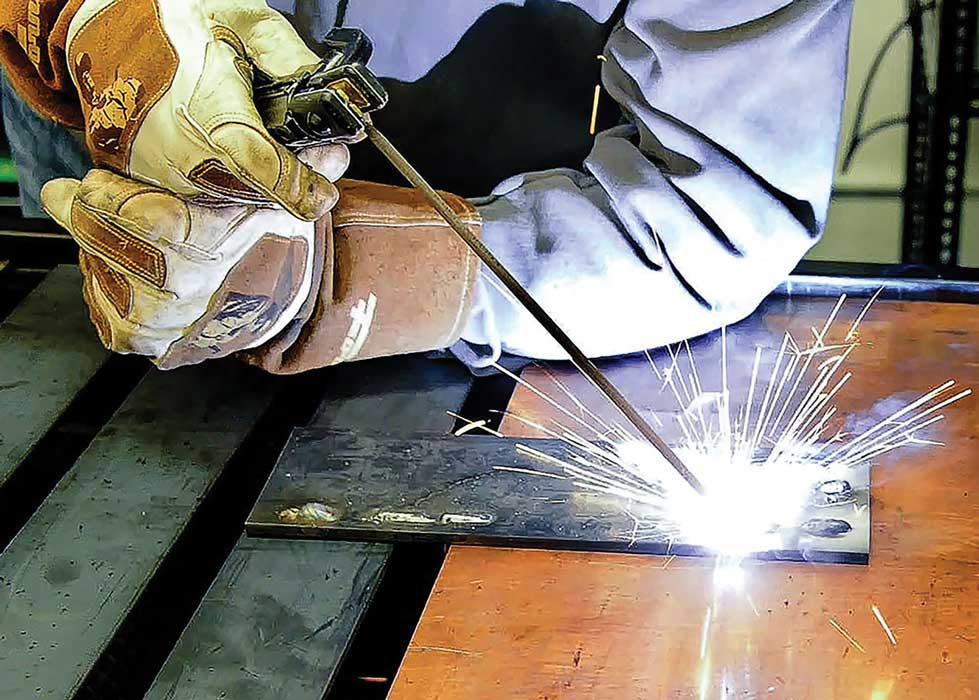
Irregular weld grains can significantly impact the high quality and toughness of a completed product. Numerous aspects contribute to this issue, consisting of improper travel rate, inaccurate amperage settings, and inconsistent electrode angles. When the welder relocates as well swiftly, a grain might show up narrow and do not have infiltration, while moving also slowly can create excessive accumulation. In addition, making use of the incorrect amperage can result in either damaging or extreme spatter, both of which compromise weld stability. The welder's technique, such as inconsistent lantern activity, can also lead to uneven grain appearance. To alleviate these problems, welders should concentrate on keeping consistent, regulated movements and making sure correct equipment setups to achieve uniformity in their welds. Uniformity is crucial to accomplishing reputable and strong welds.
Overheating and Bending Issues
Too much heat during the welding process can lead to substantial getting too hot and buckling concerns, affecting the architectural integrity of the work surface. These issues usually show up as distortion, which can jeopardize alignment and fit-up, making more assembly testing. Factors contributing to overheating consist of the option of welding parameters, such as voltage and travel speed, as well as the sort of product being bonded. To minimize these issues, welders need to keep regular travel speed and ideal heat input while checking the work surface temperature. Furthermore, preheating or post-weld warm therapy can aid reduce stresses triggered by fast cooling - Montana Mobile Welding and Repair Belgrade Fabrication. Regular inspection and adherence to ideal practices are necessary in preventing getting too hot and making certain the durability and reliability of bonded structures
Frequently Asked Concerns
What Are the Profession Opportunities in the Welding Industry?
The welding industry provides varied career chances, consisting of settings as welders, examiners, educators, and engineers. Experts can operate in manufacturing, building and construction, aerospace, and automobile markets, profiting from solid need and affordable salaries in numerous duties.
Just How Can I Enhance My Welding Speed Without Compromising High Quality?
To improve welding speed without sacrificing top quality, one need to exercise reliable strategies, preserve tools, optimize setups, and boost hand-eye control. Normal training and seeking comments can also substantially get more info add to achieving much faster, top notch welds.
What Certifications Are Available for Welders?
Various qualifications exist for welders, including those from the American Welding Culture (AWS), the National Facility for Construction Education and Research (NCCER), and different industry-specific companies. These credentials improve employability and show ability proficiency.
Exactly How Does Welding Affect the Features of Metals?
Welding influences the buildings of metals by modifying their microstructure, which can cause changes in strength, ductility, and firmness. Heat input and air conditioning prices during the procedure greatly impact these material features.
Can I Bonded Dissimilar Metals With Each Other?
Comments on “What causes cracking in welds and how Montana Mobile Welding and Repair prevents them”